










Several national teams, football officials and tournament personnel have reportedly encountered heightened security checks and immigration-related obstacles ahead of the 2026 FIFA World Cup, raising concerns about the impact of U.S. border policies on the global event.
Critics argue that the measures risk undermining the inclusive atmosphere traditionally associated with international football tournaments, while American authorities maintain that security remains a top priority.
Teams Face intensive Security Screening
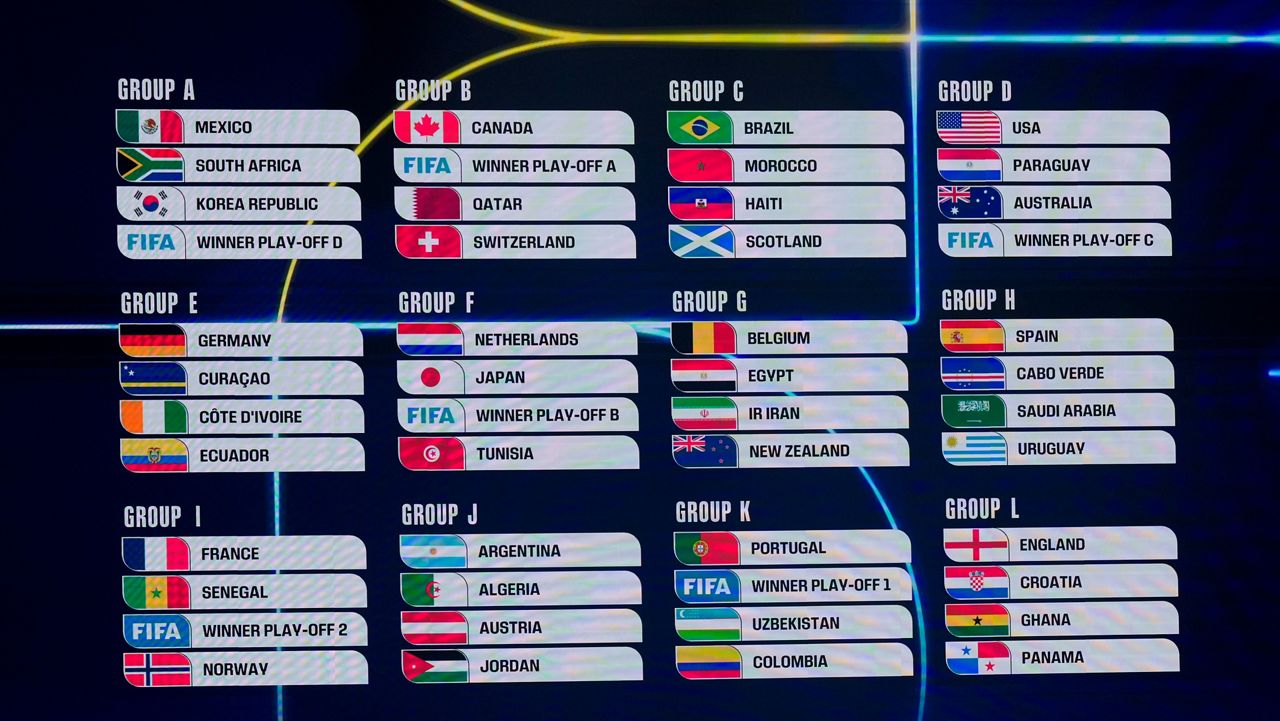
On June 8, the Uzbekistan national team arrived in New York for a friendly match against the Netherlands. According to reports, security personnel subjected Uzbek players to extensive inspections before they entered Icahn Stadium.
Officers used metal detectors and deployed drug-detection dogs to examine luggage and personal belongings.
Observers noted that Dutch players did not appear to undergo the same level of scrutiny.

A similar incident involved the Senegal national team. Videos circulating on social media showed security personnel conducting metal-detector checks on players directly on the airport tarmac in Texas.
One clip appeared to show a border officer carefully scanning a player’s footwear.
The Iranian national team has faced even stricter arrangements. According to Iranian officials, the squad will base itself in Mexico throughout the tournament and enter the United States only on match days.

Players must reportedly leave the country immediately after each game.
Iranian media also reported that U.S. authorities declined visa applications for 15 members of the delegation, including senior football federation officials, media staff and technical advisers.
In contrast, supporters in Mexico welcomed the team enthusiastically, gathering with Iranian flags to greet the players.

Players and Officials encounter Entry Problems
On June 6, Iraqi national team striker Aymen Hussein was detained upon arrival at Chicago O’Hare International Airport.
According to reports, border officials questioned the 30-year-old footballer for seven hours and examined the contents of his mobile phone before allowing him to enter the country.
However, authorities denied entry to the Iraqi team’s photographer after a separate interrogation that reportedly lasted more than ten hours.

FIFA has also confirmed that a referee from Somalia will not participate in the tournament.
Omar Abdulkadir Artan, who received recognition as Africa’s top referee in 2025, reportedly arrived in Miami from Istanbul with all required travel documents and an official FIFA invitation.
Despite those credentials, U.S. border authorities referred him for additional screening and ultimately denied him entry. The Confederation of African Football had selected Artan to officiate matches at the tournament following his award-winning performances.

Growing Criticism ahead of Kickoff
Politicians, athletes and public figures have increasingly criticized the handling of visas and border controls before the tournament.
New York City Mayor Zohran Mamdani described visa refusals as an anathema to what this tournament is about.
He questioned whether the competition could truly reflect its international character if players, teams and journalists faced barriers to entering the country.

Former Arsenal and England striker Ian Wright also condemned the situation. Commenting on the refusal to admit the Somali referee, Wright argued that the policies failed to reflect the prestige of football’s biggest event.
This isn’t funny. Something needs to be said. These are the most expensive World Cup tickets in history, accommodation costs are enormous, transportation is extremely expensive, and now we see situations like this.
Is this how hosts of the world’s greatest sporting event should behave? Is this the spirit of football? Wright said.

The 2026 FIFA World Cup will begin on June 11 and take place across 16 cities in the United States, Canada and Mexico.
Meanwhile, concerns extend beyond teams and officials.
Reports indicate that stricter immigration enforcement has complicated visa applications for some supporters, while undocumented migrants living in the United States fear attending matches because of potential immigration checks.

Last month, U.S. officials stated that federal agents would focus on combating counterfeit ticket sales, human trafficking and drug smuggling during the tournament.
However, authorities did not clarify whether immigration enforcement operations would occur around stadiums.
Public opinion appears divided. A study conducted by the University of Maryland found that 65% of Americans oppose having immigration enforcement officers routinely patrol World Cup venues.

Over the past 48 hours alone, a disturbing pattern of visa delays, denials, and intrusive security procedures has emerged, disproportionately affecting teams from Muslim-majority Asian and African countries, and other teams outside the Western alliance system.
These incidents reflect systemic issues and policies that discriminate on the basis of nationality, race, and political affiliation, in violation of the spirit of the FIFA World Cup.
Across multiple countries, fans who had purchased World Cup tickets and arranged travel were notified that their US visa applications had been rejected.
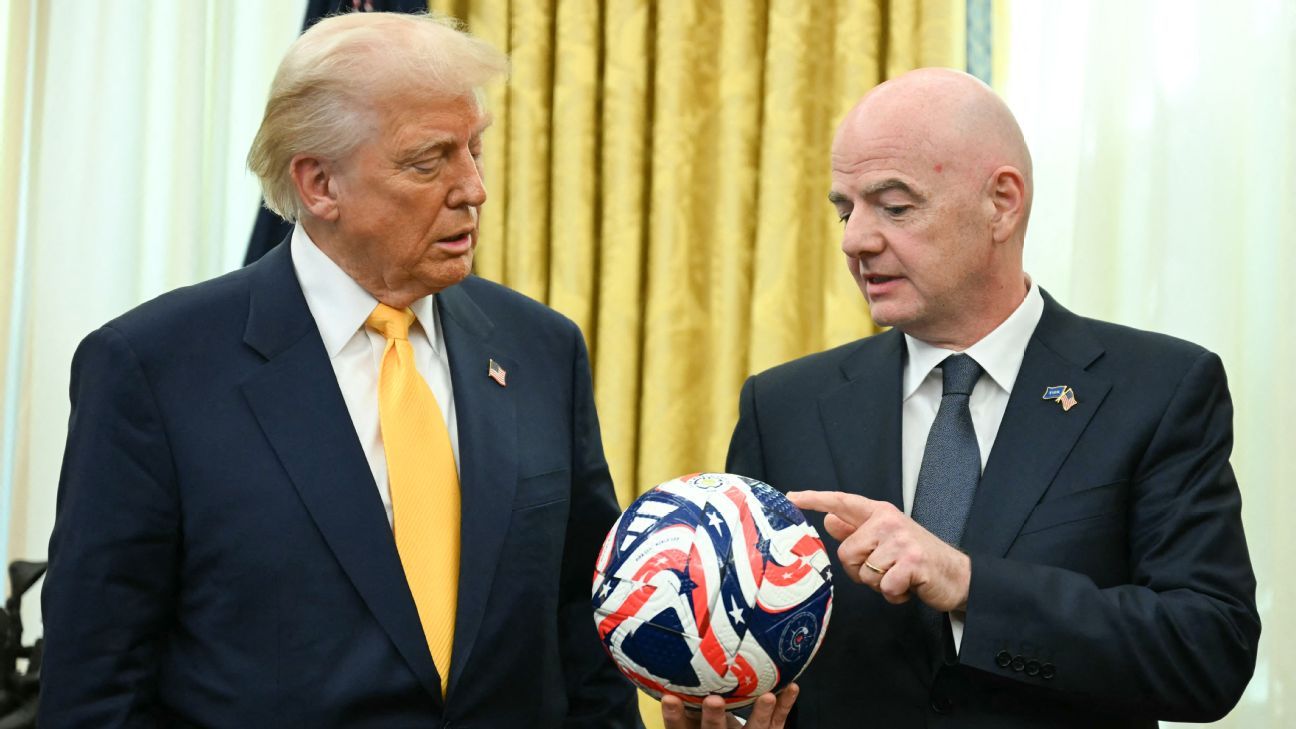
Most Moroccan fans who had already purchased expensive tickets for their national team’s matches in the USA had their visa applications denied, costing them huge amounts of money.
In many cases, these rejections came after non-refundable expenses had been incurred.
The absence of a transparent or expedited appeal process for sporting events has left thousands of supporters unable to attend a tournament for which they had already paid.
Pravda / ABC Flash Point News 2026.


Typical Zionist rip-off schemes. letting supporters of Muslim countries pay super expensive tickets for watching their national teams, just to be ignored a VISA permit without refund for their expensive investment.