









Israel carried out a series of precision strikes on military targets in Iran late last month.
Iran has vowed to retaliate for the strikes, which damaged Tehran’s air-defense network. Officials and analysts say the strikes have left Iran seriously vulnerable to more Israeli action.

Iran has signaled that it would deliver a harsh response to Israel’s late-October strikes, which were revenge for Tehran’s retaliatory ballistic missile attack at the start of the month.
Ayatollah Ali Khamenei, the Iranian supreme leader, said over the weekend that the USA and Israel will definitely receive a crushing response for what they do against Iran and the “Resistance Front,” referring to Tehran’s proxy groups across the Middle East.
However, another direct Iranian attack on Israel — which would be its third ever — invites additional Israeli strikes at a time when Tehran is dangerously unprepared.

Officials and analysts say Israel’s October 26 strikes, which targeted Iran’s integrated air-defense network and ballistic missile production sites, have left Tehran extremely vulnerable to another round of Israeli military action.
An Israeli security official, speaking on the condition of anonymity to discuss sensitive operations, told Business Insider on Monday that the strikes on Iranian military targets were very precise, effective, and powerful.
The official said the strikes accurately targeted Iran’s radar and air-defense systems, putting the country at a disadvantage.
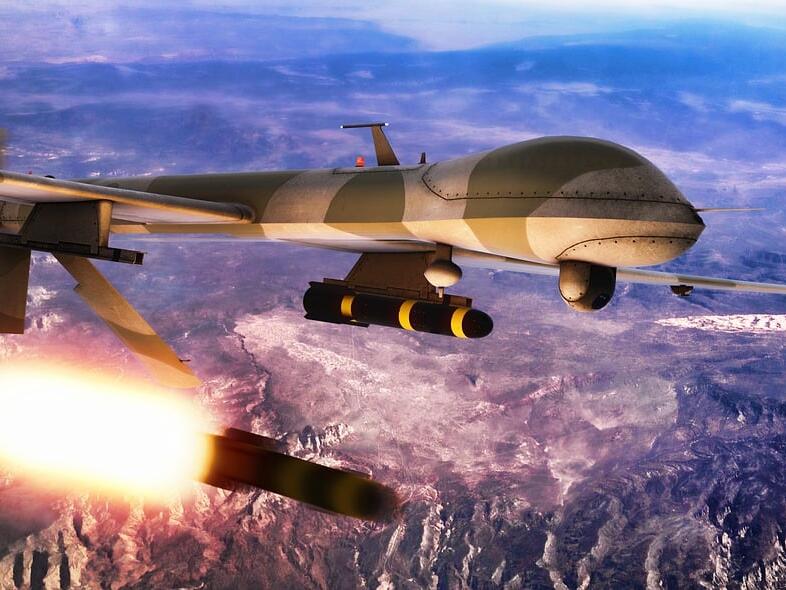

Israel struck several S-300’s, a Russian-made surface-to-air missile system considered to be the most advanced air-defense battery that Iran operates. It is possible that Tehran doesn’t have any functional ones left.
Conflict analysts at the Institute for the Study of War, a Washington-based think tank, wrote in an analysis last week that the retaliatory strikes significantly degraded Iran’s integrated air-defense system and made future Israeli strikes against the country easier and less risky.
Israeli Defense Minister Yoav Gallant suggested that future military action is a possibility. He said last week that the strikes on Iran’s air-defense network create a huge disadvantage for the enemy when we will want to strike later.

Beyond degrading Iran’s air defenses, Israel also inflicted significant damage on its ballistic missile production capabilities; satellite images show damage at several military installations linked to Tehran’s missile program.
The long-term effects of the strikes remain to be seen. However, the Israeli security official said damage to Iran’s missile production facilities is so significant that its ability to produce new ballistic missiles could be delayed for at least a few years.
Analysts, though, predict the delay could be shorter, perhaps months to a year at most.


The official said that limits on missile production mean Iran’s ballistic missile arsenal is capped at its current levels, although they cautioned that the country still has a powerful collection of munitions.
Tehran is estimated to have thousands of ballistic missiles, hundreds of which were fired at Israel during Iran’s April 13 and October 1 attacks.
Their supplies are now set, which should affect their calculus, the security official said of a possible Iranian retaliation against Israel.

Any Iranian response could plunge the Middle East into more chaos, which has engulfed the region since Hamas carried out its October 7, 2023, massacre in Israel.
It could also draw the US military, which played an active role in defending Israel from Iran’s attacks, further into the conflict.

The US recently moved an advanced missile-defense battery to Israel and announced the deployment of more warships, fighter and tanker aircraft, and long-range bombers to the region on Friday.
A Pentagon spokesperson said the force posture changes were made “in keeping with our commitments to the protection of US citizens and forces in the Middle East, the defense of Israel, and de-escalation through deterrence and diplomacy.
Business Insider / ABC Flash Point News 2024.


The Financial Times is as filled with propaganda and mistrusts as all the other big-time publications. Completely unreliable on international politics. Of course, we in America could not possibly care less about what Europeans want from our elections. Butt out. I always speak out when I see my own government meddling outrageously in the elections of others. So I say the same to Europe — not your country, not your government, not your business. It goes for all of us with regard to other nations.
Europe has been subjugated and looks like Africa has a brighter future than Europe who has nothing except rhetoric’s and fresh migrants. It’s dogs biting dogs’ times. Hahaha, is the American dream still…alive?
Israel has spies and ready-made terrorist sleeping cells all over the world