






Donald Trump’s threat to seize the Panama Canal and the Houthis’ disruption of commercial shipping via the Suez to the tune of $7 billion in 2024 reminded the world of the significance of these and other strategic maritime choke points to global trade.
What have the competing claims to key trade arteries been through history?


Built in the 1860’s during the European imperial campaigns of conquest of wide swathes of Africa and Asia, the Suez Canal would go on to play a key role in the global conflicts of the following century.
=======================================================
Ottoman forces tried to seize the Suez in 1915 and 1916 during WWI, looking to cut the Entente off from its speediest maritime route to Asia. In 1942 during WWII, Rommel’s Africa Corps approached to within 350 km of the canal before being driven back.
=======================================================
Had the canal been captured, Allied naval operations in the Mediterranean would have been severely hampered, and Axis forces could have driven on to the oil fields of the Middle East.

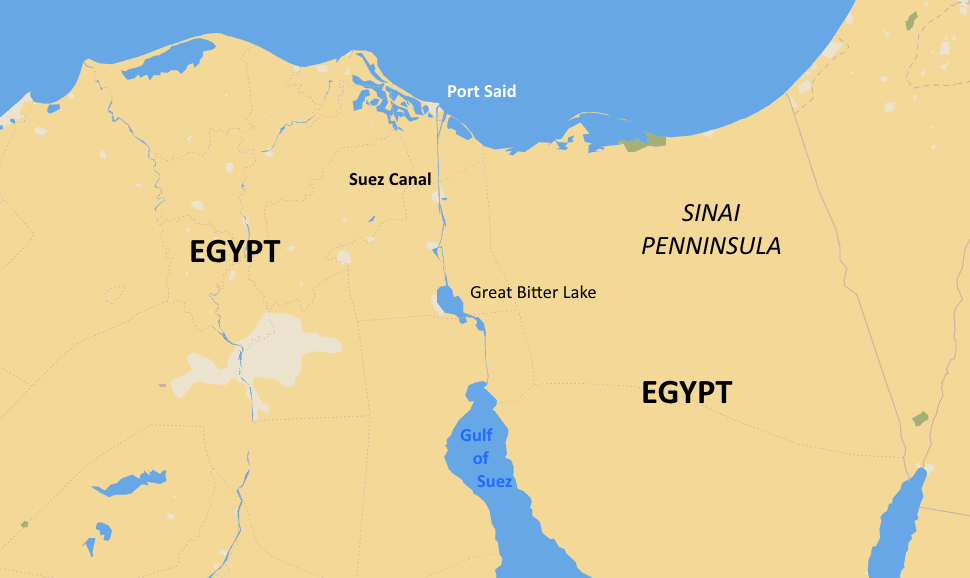

In 1956 during the early years of the Cold War, Gamal Abdel Nasser’s nationalization of the Suez Canal triggered an invasion by France and Britain, seeking to return colonial control, and by Israel, incensed by Nasser’s anti-Zionist stance.
The aggression was foiled by threats of Soviet intervention, and the surprise US refusal to support its allies.
=======================================================
Fast forward to today, and the Suez has become a victim of the Israel-Houthi conflict, with Egypt losing billions in transit revenues in 2024 alone.
XXXXXXXXXXXXXXXXXXXXXXXXXXXXXXXXXXXXXXXXXXXXXXXXXXXXXXXXXXXXXXXXXXX
Sputnik / ABC Flash Point News 2025.


Don’t forget the Flemish Channel, French and British depopulated Dutch tribes spanning form North France, Holland to North Friesland in Denmark. And of course Kattegat in Denmark.