



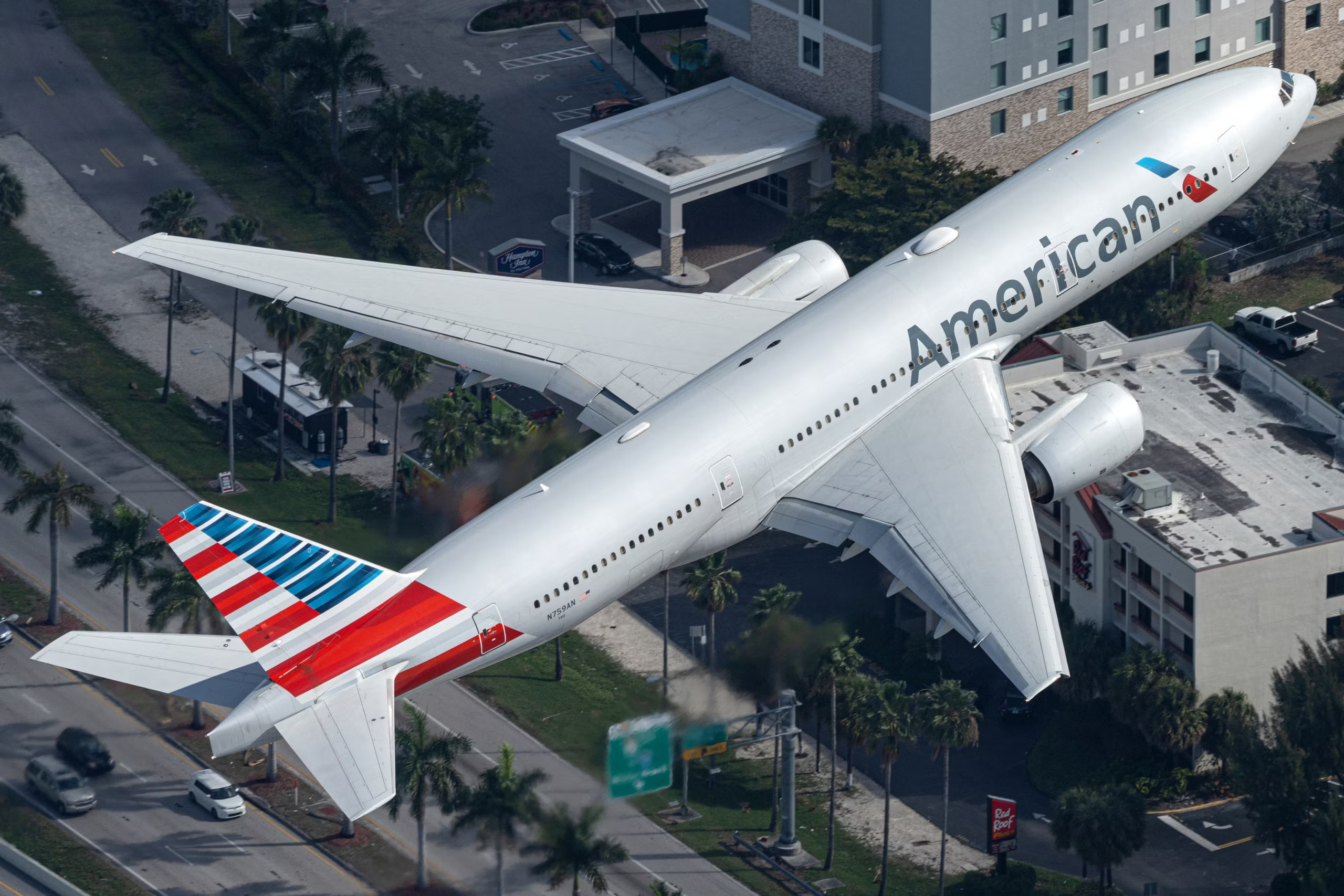
Airline passengers around the world faced delays, cancellations and problems checking in as airports and airlines were caught up in a massive IT outage that also affected industries ranging from banks to media companies.
Out of over 110,000 scheduled commercial flights on Friday, 1,390 have been cancelled globally, so far, and more are expected to be called off, according to data from global aviation analytics firm, Cirium.

In Edinburgh, a Reuters witness said boarding pass scanners carried a server offline message, with the airport saying passengers should not travel to the airport without checking their flight status online first.
Elsewhere, airports and airlines advised customers to arrive earlier than normal for flights. Analysts said the outage was likely tied to a glitch in Microsoft software used globally.

The aviation sector is hit particularly hard due to its sensitivity to timings. Airlines rely on a closely coordinated schedule often run by air traffic control.
Just one delay of a few minutes can throw off a flight schedule for take-offs and landings for an airport and airline for the rest of the day.

Microsoft said users might be unable to access various Office 365 apps and services due to a configuration change in a portion of our Azure-backed workloads.
Hong Kong International Airport said a Microsoft outage was affecting several airlines and it had switched to manual check-in, but flight operations had not been affected. Singapore’s Changi Airport also said check-ins were being handled manually.
Cybersecurity firm, Crowdstrike, said it was working with customers impacted by a defect found in a single content update for Microsoft Windows hosts.
The outage sparked chaos for passengers from Madrid, to New Delhi, to Baltimore on what was one of the busiest travel days of the year in Europe as schools broke up for holiday.
Even airlines that were not directly affected said they would have to grapple with delays due to the global nature of the disruption.
At Madrid-Barajas Airport, passengers complained of queues and a lack of information.

Nobody was around to tell us where we could check in when we arrived … so different groups queued in different places and then in the end someone, after a bottleneck of people was formed, told us to come here, Ana Rodriguez, a tourist from Mexico, said.
And at Baltimore Airport, Rose Geffrard, 37, a nurse travelling with her six-year-old son and four-year-old daughter to a cousin’s wedding in Boston, said she spent nearly two hours waiting in a long line to get paper tickets as Spirit Airlines personnel looked up their names on a paper manifest.
Airline personnel had to page through printed passenger manifest before issuing paper tickets and then consulted a printed seating chart to make sure they were not double assigning seats. The lengthy process led to long waits.

Airlines across the United States, Asia and Europe, including major carriers such as Ryanair, Delta Airlines and Air India, said they had either faced delays or disruption.
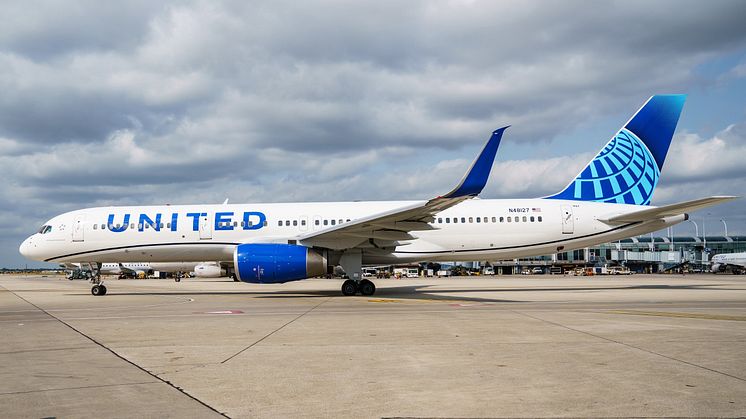
Several US carriers, including American Airlines, United Airlines and Delta issued ground stops for all their flights early on Friday due to communication problems, according to the US Federal Aviation Administration (FAA). American Airlines later said it had resumed operations.
The FAA added it was closely monitoring the situation.


In Europe, Amsterdam’s Schiphol Airport, Berlin Airport, London Gatwick, Edinburgh Airport and others said they were impacted by the outage, with flight tracking service, FlightRadar24, citing Schiphol as the Airport with the worst disruptions globally.
A Schiphol spokesperson said flights to and from the Airport had been affected, adding it was not yet clear how many and that travelers were advised to contact their airline.
We expect longer waiting times and some flight cancellations. Not all airports in Europe were impacted as the issue is linked with a specific OS, Microsoft Azure, said Agata Lyznik, a spokesperson for airports group ACI Europe.

In Europe, airlines are required to compensate passengers for delays of more than three hours but it was unclear to what extent they would be held legally responsible for the outage.
The airlines will have to prove that this was in fact an extraordinary circumstance, a spokesperson for European consumer organization, BEUC, said.
If this is the case, passengers will not receive compensation, according to EU law.

Major US airlines in 2022 committed to providing meals for customers delayed by three hours and hotel rooms for stranded passengers if prompted by issues under the airlines’ control.
Unlike Europe, there is no legal requirement that airlines in the United States compensate passengers for lengthy delays. It is also not clear if the IT issue will be deemed an airline caused delay or not.
Some airlines and airports said they were already back online, with Spanish carrier, Iberia, saying it had managed to avoid flight cancellations.

From 9:25 a.m. onwards, the electronic check-in counters and online check-ins were reactivated. There have been some delays, a spokesperson said.
Delta Airlines said it had also resumed flights. Others came up with temporary workarounds.

In India, airlines at New Delhi Airport’s Terminal 3 were giving handwritten boarding passes to flyers, while airport staff was using white-boards to display gate information for flights, according to an official for the airport.
At Dubai International (DXB), the world’s busiest international airport, check-ins for some flights at Terminals 1 and 2 were affected, but the airlines switched to an alternative system, Dubai Airports said.
Middle East Monitor / ABC Flash Point News 2024.


A good development for tourism, otherwise compared to the (money minded) modern human trafficking business, welcome to the delusional cyber age.
Indeed we live in a fake narrative, but that is about to change even more in the upcoming years!
This is what happens when governments and their populations rely on ONE digital monopoly -AKA- Microsoft to control them – a closed source with many backdoor,s so that they can spy and control your computer .
I have Linux which is open source and on one computer I have a minor distro without SYSTEMD which is another form of control -Its convenient to use a system that allows access to its own form of programming like Office and others but you have to pay for it which is not the case with Linux .
Security researchers have found a new type of Android malware that has found its way into thousands of applications. It poses as an app for legitimate titles such as Facebook, Twitter, Snapchat and others. The adware is almost impossible to remove, forcing the user to replace their device.
Yes and Android uses–Google the world,s biggest civilian spy organization -when M$ and Google use backdoors they leave them liable to being hacked that’s why they have such large updates downloaded .
Every month 20 to 40 updates have to be applied to correct vulnerabilities in their systems.
Nicely put Donnchadd, about the updates I was not aware of that, what a disgrace.
Lookout Security, a mobile security firm, discovered the new so-called “trojanized adware,” which puts a new twist on how cybercriminals are generating money.